PCOS • 27/4/2026
The PCOS Diet Plan for Hormonal Balance and Lasting Wellness
A science-backed PCOS diet plan to support hormonal balance, improve insulin sensitivity, reduce inflammation, and build lasting wellness.
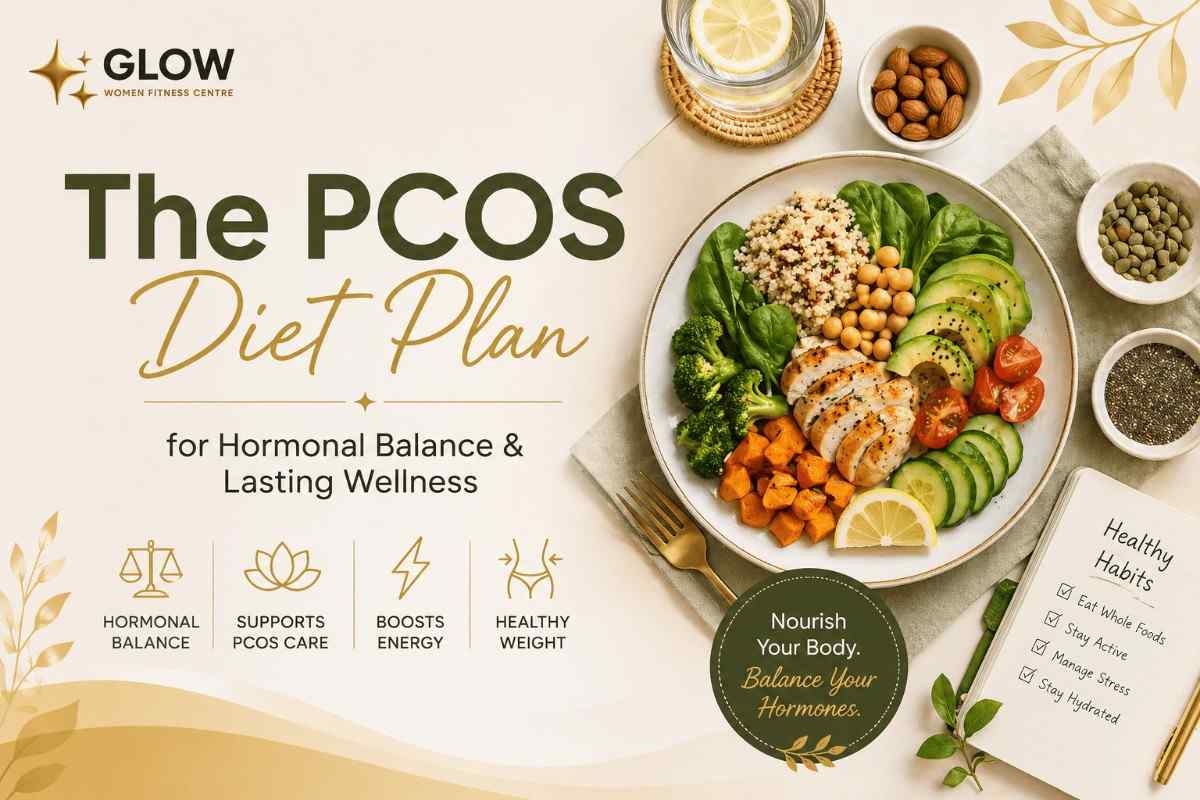
A science-backed PCOS diet plan for managing symptoms, stabilizing blood sugar, and nourishing your body from the inside out.
Anti-inflammatory · Low Glycaemic · Hormone-Supportive · Gut-Friendly · 7-Day Meal Plan
This guide is for informational purposes only and does not constitute medical advice. PCOS affects every woman differently, so please consult your doctor or a registered dietitian before making significant dietary changes.
Why Diet Matters So Much with PCOS
Polycystic Ovary Syndrome is primarily a metabolic and hormonal condition.
What you eat directly influences four core drivers:
- Insulin resistance: Up to 70% of women with PCOS experience this, leading to elevated insulin that can trigger excess androgen production.
- Chronic inflammation: Low-grade inflammation can feed hormonal disruption; anti-inflammatory foods can help reduce it.
- Gut microbiome: Reduced gut diversity may affect estrogen metabolism, immunity, and mood.
- Androgen excess: High androgens can worsen acne, hair thinning, and cycle irregularity; dietary choices can support hormone clearance.
Foods That Heal vs. Foods That Harm
Eat Freely
- Leafy greens and cruciferous vegetables (spinach, kale, broccoli, cauliflower)
- Fatty fish (salmon, sardines, mackerel)
- Berries and cherries
- Legumes and lentils
- Nuts and seeds (especially flaxseed and walnuts)
- Whole grains (oats, quinoa, brown rice)
- Turmeric and cinnamon
These foods support blood-sugar stability, lower inflammation, and improve hormonal resilience.
Limit or Avoid
- Refined sugar and sweets
- White bread and refined pasta
- Sugary drinks and juices
- Highly processed or fried foods
- Dairy (if you are personally sensitive)
- Excess alcohol
- Very high soy intake
These may spike insulin, increase inflammation, or interfere with hormone balance in sensitive individuals.
Quick Food Comparison Table
| Category | Best Choices | Limit/Reduce |
|---|---|---|
| Carbohydrates | Oats, quinoa, brown rice, lentils | White bread, refined pasta, sugary cereals |
| Fats | Olive oil, walnuts, flaxseed, fatty fish | Fried foods, trans fats |
| Snacks | Berries, nuts, hummus with veggie sticks | Sweets, sugary drinks, packaged snacks |
| Flavoring | Turmeric, cinnamon, herbs, lemon | Sugary sauces, excess processed condiments |
7-Day PCOS-Friendly Meal Plan
Each day below is structured for blood sugar stability, protein sufficiency, and anti-inflammatory variety.
Weekly Meal Plan at a Glance
| Day | Breakfast | Lunch | Dinner |
|---|---|---|---|
| Day 1 | Cinnamon oat bowl with blueberries, flaxseed, almond butter | Lentil and spinach soup with turmeric, cumin, lemon | Baked salmon, broccoli, quinoa, olive oil |
| Day 2 | Avocado egg toast on wholegrain sourdough | Chickpea quinoa bowl with vegetables and tahini | Turkey stir-fry with greens over brown rice |
| Day 3 | Flaxseed smoothie (spinach, berries, protein, cinnamon) | Tuna and avocado salad with mixed greens | Turmeric chicken with sweet potato and steamed greens |
| Day 4 | Chia seed pudding with coconut milk and pumpkin seeds | Lentil dahl with spinach and wholegrain flatbread | Prawn and veggie noodles with ginger and sesame |
| Day 5 | Overnight oats with chia and raspberries | Stuffed bell peppers with quinoa and black beans | Grilled mackerel with roasted vegetables and quinoa |
| Day 6 | Veggie omelette with spinach, mushrooms, tomatoes | Salmon-avocado sushi rolls with miso soup | Lamb and vegetable curry with cauliflower rice |
| Day 7 | Banana walnut pancakes with yoghurt and berries | Buddha bowl with brown rice, sweet potato, edamame, avocado | Baked cod with garlic kale and roasted cauliflower |
Key Nutrients for PCOS
- Magnesium: spinach, pumpkin seeds, almonds, dark chocolate
- Vitamin D: fatty fish, eggs, fortified foods, sunlight
- Inositol (B8): citrus, legumes, whole grains, nuts and seeds
- Zinc: pumpkin seeds, chickpeas, lentils, cashews
- Omega-3s: salmon, sardines, walnuts, chia, flaxseed
- Chromium: broccoli, green beans, whole grains, lean protein
Lifestyle Habits That Amplify Results
Use this practical routine to turn nutrition into sustainable hormonal support:
- Strength train 3x/week to improve insulin sensitivity.
- Prioritize sleep (7-9 hours) to reduce cortisol disruption.
- Manage stress daily through breathwork, meditation, or gentle yoga.
- Stay hydrated (about 2-2.5L/day) to support hormone detox pathways.
- Eat mindfully and reduce distracted eating.
- Track your cycle to understand symptom and energy patterns.
Lifestyle Support Table
| Habit | Weekly Target | Why It Helps in PCOS |
|---|---|---|
| Strength training | 3 sessions/week | Supports insulin sensitivity and lean muscle |
| Sleep | 7-9 hours/night | Helps regulate cortisol and hunger hormones |
| Stress regulation | 10-20 min/day | Reduces stress-driven hormonal disruption |
| Hydration | 2-2.5L/day | Supports metabolism and detox pathways |
| Cycle tracking | Daily notes | Improves pattern awareness and symptom planning |
“PCOS is not a life sentence. With the right nutrition and lifestyle, you have extraordinary power to change how you feel in your body every single day.”